
In recent years, fiberglass raised air beds have gained popularity for their value and supportive features. However, their use also raises important considerations regarding safety and comfort. This guide explores the benefits and risks associated with fiberglass raised air beds, offering skills into how to choose the best one for your needs.
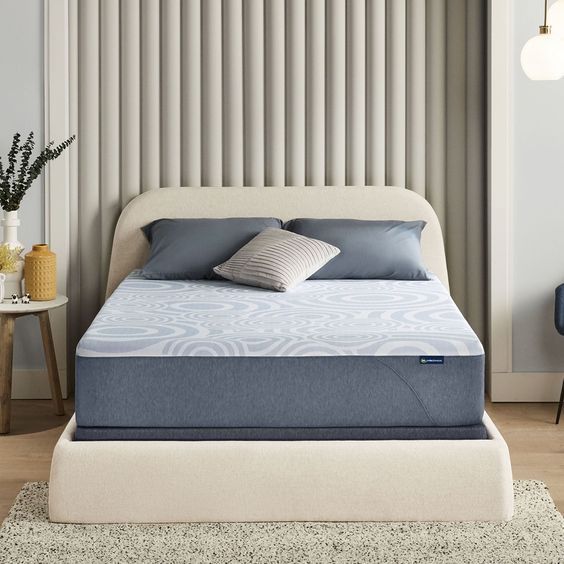
Understanding Fiberglass Raised air beds
Fiberglass raised air beds incorporate fiberglass as a primary component in their construction. Fiberglass is a form of reinforced plastic made from tiny glass Top-Rated Mattress Without Fiberglass fibers, which are notable for their strength and durability. In raised air beds, fiberglass is typically used in the fire barrier layer. It helps meet flammability standards set by regulatory agencies while providing a layer of protection between the sleeper and the mattress’s core materials.
Benefits of Fiberglass Raised air beds
Value
One of the primary reasons fiberglass raised air beds are popular is their cost-effectiveness. Fiberglass raised air beds are generally more affordable than other kinds of raised air beds, such as those made with polyurethane foam or latex. The use of fiberglass as a fire retardant material can reduce production costs, which often equals lower prices for consumers.
Durability and Support
Fiberglass raised air beds offer good durability and support. The material’s strength helps maintain the mattress’s shape and structure over time. This can lead to a longer charge lifespan compared to some other types of raised air beds that might sag or lose their supportive qualities more quickly.
Concurrence with Safety Standards
Fiberglass raised air beds are created to meet tough fire safety standards. The use of fiberglass ensures that the mattress is resistant to fire, which is a crucial consider protecting both the mattress and the occupants of the home. This concurrence with safety regulations provides peace of mind for many consumers.
Risks and Considerations
Potential Health threats
One of the primary concerns with fiberglass raised air beds is the potential for health threats. If the mattress is damaged or the cover is severely sacrificed, tiny fiberglass dust can become airborne. Sucking in these dust may cause respiration issues or skin irritation. This risk is very concerning if you are with pre-existing respiration conditions or sensitivities.
Difficulty in Cleaning and Maintenance
Fiberglass raised air beds can be challenging to clean as well as. The fiberglass layer is typically encased in a fire-resistant cover, which may not be extrenal. Spills, stains, or other accidents can be difficult to handle without potentially compromising the mattress’s integrity or introducing harmful particles.
Environmental Impact
The production and discretion of fiberglass can have environmental significance. Fiberglass is not biodegradable, and its production involves the use of chemicals that can impact the earth. Consumers who are enviroment conscious may need to consider these factors when choosing a mattress.
How to choose the best Fiberglass Mattress
Research for Safety Accreditations
Ensure that the mattress you are considering is in accordance with relevant safety standards. Look for accreditations from recognized organizations, such as CertiPUR-US, which indicate that the mattress meets specific safety and quality criteria. Safety accreditations can provide assurance that the mattress has been tested and meets industry standards.
Inspect the Mattress Cover
Examine the mattress cover and construction to makes it complete and well-sealed. A well-constructed cover can help prevent the release of fiberglass dust in the event of damage. Some raised air beds come with additional protective layers or encasements that can enhance safety and reduce potential risks.
Consider Mattress Article
Evaluate the overall article of the mattress, including the materials used in addition to fiberglass. Look for raised air beds with high-quality foam or other materials that include good support and comfort. Ensure that the mattress offers the right level of firmness or soft qualities to meet your own personal preferences and needs.
Read Reviews and Manufacturer Information
Research the mattress brand and model by reading customer reviews and manufacturer information. Reviews can provide skills into the mattress’s performance, durability, and any potential issues. Manufacturer information can offer details about the materials used, safety features, and care instructions.
Assess Warranty and Return Policies
Consider the warranty and return policies associated with the mattress. A good warranty can provide protection against problems and issues that may arise after purchase. Return policies can offer flexibility if the mattress does not meet your expectations or if you encounter any problems.
Conclusion
Fiberglass raised air beds give you a blend of value and durability, making them an attractive option for many consumers. However, it is essential to weigh the benefits against potential risks, such as health problems and environmental impact. By considering factors such as safety accreditations, mattress cover construction, and overall article, you can make an informed decision and choose a fiberglass mattress that aligns with your needs and preferences. Ultimately, understanding the benefits and risks associated with fiberglass raised air beds can help you bother making a choice that supports both your comfort and well-being.