
Understanding RFID Labels
RFID labels, or Radio Frequency Identification labels, have become essential tools in various industries, allowing for faster, more reliable tracking and identification of products. Unlike traditional barcodes, RFID labels do not require a line of sight to be scanned, making them highly efficient for inventory management and supply chain operations. They consist of a microchip and an antenna, which communicate with RFID readers through radio waves. This technology offers significant advantages over manual tracking methods. For instance, a retail store can utilize RFID labels to keep real-time tabs on inventory, ensuring popular items are always in stock. The practical applications of rfid labels extend beyond retail; they are also prevalent in healthcare, logistics, and manufacturing, enhancing productivity and reducing human error.
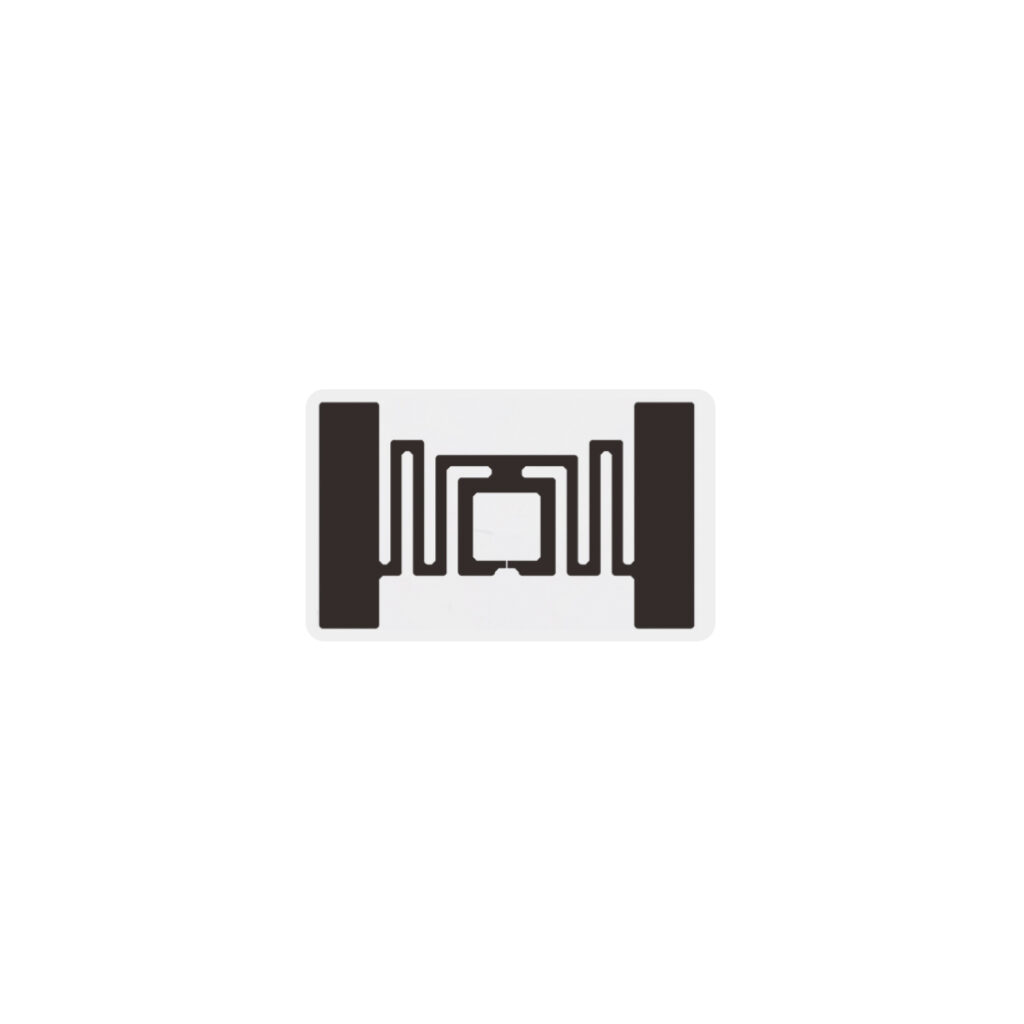
Real-World Applications of RFID Labels
In real-world scenarios, RFID labels provide businesses with an edge. For example, in healthcare, these labels are instrumental in tracking medical equipment and pharmaceuticals, ensuring that vital supplies are always available and dispensed correctly. They help reduce losses and enhance the overall safety of patient care. Similarly, logistics companies leverage RFID labels for efficient tracking of shipments; packages can be located in real-time, minimizing the likelihood of lost goods. The use of rfid labels thus streamlines these operations, allowing companies to operate more efficiently while saving time and resources. As industries continuously seek ways to optimize their processes, RFID labels prove to be an innovative solution that addresses diverse operational challenges.

Empowering Businesses with RFID Labels
Investing in RFID labels can empower businesses to achieve greater operational efficiency. By adopting this technology, companies can automate their inventory processes, leading to a significant reduction in labor costs associated with manual stock checks. With the capability of scanning multiple items simultaneously, RFID helps businesses to gain a comprehensive view of their inventory levels quickly. For instance, a warehouse equipped with RFID labels can facilitate inventory audits that would take days to complete with traditional methods in just a few hours. The capacity to restock inventory proactively based on real-time data allows companies to minimize excess stock and increase turnover rates. Thus, integrating rfid labels into daily operations is not merely a trend; it’s a vital move for businesses aiming to thrive in a competitive landscape.
Conclusion: Choosing the Right RFID Label Manufacturer
In summary, RFID labels are crucial for enhancing operational efficiencies across various sectors, from retail and logistics to healthcare and manufacturing. With their ability to streamline processes, reduce costs, and improve inventory accuracy, these labels are an investment worth considering. For businesses looking to integrate this technology, choosing a reliable manufacturer is key. RSTC stands out as a top choice, as they provide high-quality RFID products with supply advantages that cater to a wide range of needs. Their commitment to innovation and customer satisfaction makes them a leader in the RFID label market, ensuring that companies can trust their products for efficient operations.