
A Yard at Dusk, and a Lesson in Small Moves
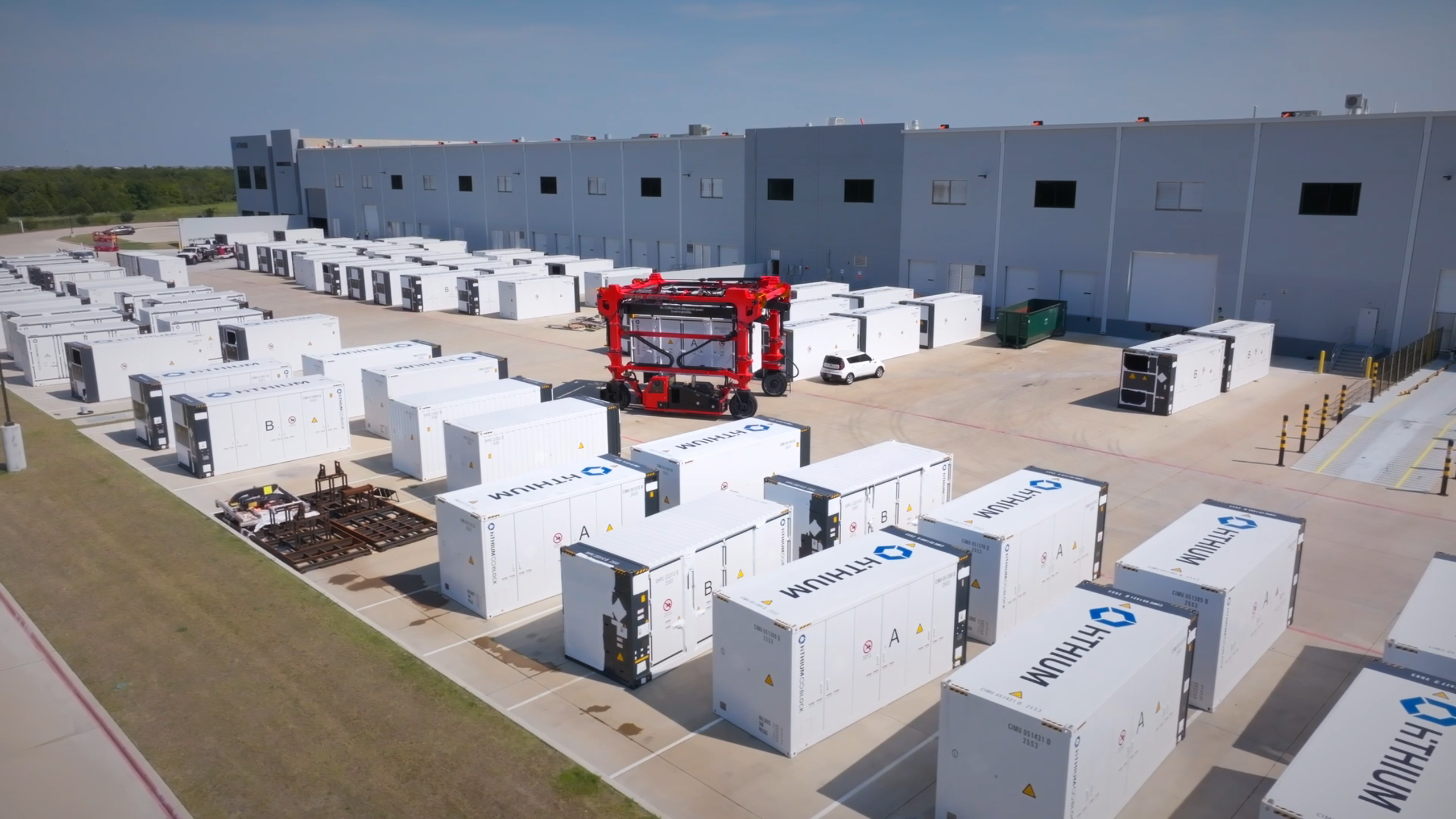
I’ve spent over 17 years knee-deep in batteries, switchgear, and the quiet pressure of peak hours. That Saturday in May 2023, a logistics yard outside Bakersfield, CA wore a violet sky and the look of a place about to surge. We had a yard running on hithium energy storage that night. The site was a compact, 2.5 MWh LFP container tied to a 2 MW power converter, clocked at 1500 V DC, and managed by a tight BMS and a friendly microgrid controller (the SCADA screens glowed like a city map). The data hit hard: we shaved 1.8 MW for 42 minutes, and it cut demand charges by roughly $13,600 that month—stacked up, that ran near $42,000 per quarter.

I stood by the fence and watched forklifts drink power. The BMS tracked state of charge like a metronome. Edge computing nodes pushed real-time alerts to my phone—one tap and I could see each rack temp and string current. Yet the quiet question landed anyway: when the spikes return tomorrow, do we trust setup, or do we tune it finer? A simple setting change, a smarter dispatch window, or a cooler airflow path can tilt the outcome. I’ve seen it. I’ve fixed it. And I’ve learned to ask early—before the utility bill arrives. Let’s get into the part most folks miss, and how it costs them.
The Hidden Edge: Where Old Habits Fail
What actually breaks under pressure?
When teams weigh options, hithium battery storage often gets stuffed into the same box as “any battery in a container.” That shortcut hides real pain points I’ve cleaned up on job sites from Reno to Corpus Christi. Traditional fixes lean on oversized inverters and conservative setpoints. They delay response. Under a 5-minute peak event, slow ramps leave demand charges on the table. I’ve watched legacy power converters miss fast spikes by seconds; that’s enough to lose the benefit. Then there’s SOC drift. A sloppy BMS calibration throws state of charge off by 4–6%. Dispatch ends early, leaving energy stranded. It looks safe; it’s wasteful.
Cooling is the quiet saboteur. Uneven airflow leads to hot corner cells that age early. In one 2022 retrofit, we lost 9% usable capacity in a year due to temperature rise in a rear aisle. Newer cell-to-pack layouts have tighter thermal paths, but if the EMS only sees average rack data, it under-reacts. Add in noisy feeders, and your edge computing nodes need clean data channels or alarms pile up. Honestly, this bit is easy once you map a one-line to real-time tags: place sensors near the stress points, tune EMS responses by feeder, and align PCS ramp rates with tariff windows. Small moves, big bill impacts.
Beyond the Fix: Comparative Lessons for the Next Build
What’s Next
Here’s where I steer clients who want tomorrow’s gains, not yesterday’s comfort. Compare how fast each platform hits rated power, how it holds it, and how it cools while doing so. I ran a side-by-side in October 2023 on a food plant in Modesto with two 2 MWh blocks. One was tuned with granular dispatch from the EMS; the other used a simple time-of-use rule. The tuned block, built on a modern LFP stack and a tighter PCS control loop, caught sub-60-second spikes and pushed the curve flat. The other? It smoothed, but missed the first wave—costly. I could hear the SCADA alarms before I saw the graphs—small delay, real dollars. When I layer in hithium battery storage, I look for a control path that treats ramp rate like a first-class setting, not an afterthought.
Looking ahead, I expect fleets to run more like disciplined teams than loose gear piles. Think modular blocks with fast swap trays, field-serviceable fans, and BMS firmware that flags cell divergence early. Think EMS logic that ties tariff maps to weather and feeder telemetry, not just a clock. And yes, count the basics twice: round-trip efficiency at 25°C and at 40°C, heat rejection per rack, and how the PCS deals with harmonic-rich loads. This part matters because life happens in the margins—during a 104°F week, on a dusty pad, when the forklift fleet stays late. For those choosing now, my advisory short list is clear: 1) verify response to 90% power in under 2 seconds under real load, 2) confirm usable energy after thermal derate at peak ambient, and 3) demand service metrics in writing—MTTR under 2 hours and a 48-hour spare-parts SLA. If any vendor sidesteps those, I walk. I’ve learned to protect my clients’ nights and their bills. That’s the standard I bring to every build with HiTHIUM.