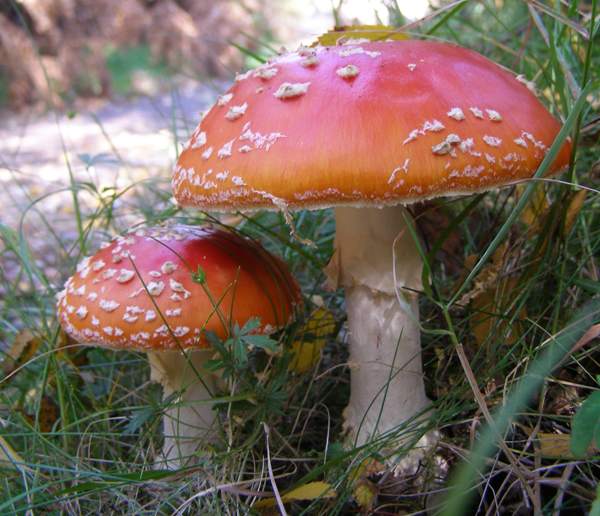
Amanita muscaria, often called the fly agaric, is one of the most iconic mushrooms due to its bright red cap covered with white warty spots. Recognizing this mushroom in the wild is relatively straightforward thanks to its distinctive appearance, but it’s important to be aware of its characteristics to avoid confusion with other fungi. amanita muscaria kappen kaufen Typically, the cap ranges from 5 to 20 centimeters in diameter, starting as a rounded dome and flattening as it matures. Its white gills and thick white stalk, often with a ring and a bulbous base, complete its classic look.
The effects of Amanita muscaria are quite different from more commonly known psychedelic mushrooms, such as those containing psilocybin. The main psychoactive compounds in Amanita muscaria are muscimol and ibotenic acid, which affect the brain in unique ways. Users may experience vivid hallucinations, altered perception of reality, and feelings of euphoria or sedation. However, these effects can vary widely depending on the preparation and individual response, and the mushroom also has toxic components that can cause nausea, dizziness, and confusion.
Due to its complex chemical makeup, Amanita muscaria is not typically used recreationally in the same way as other psychoactive mushrooms. Traditional preparation methods often involve drying or boiling the mushroom to reduce the amount of ibotenic acid, which is more toxic and can cause unpleasant symptoms. Despite these methods, the risk of poisoning remains if consumed improperly. It is crucial to approach this mushroom with caution and never consume it unless you are fully knowledgeable about safe preparation techniques.
Safety is paramount when dealing with any wild mushroom, and Amanita muscaria is no exception. Misidentification can lead to consuming dangerous look-alikes, some of which belong to the deadly Amanita family, such as Amanita phalloides (death cap). Foragers should only pick mushrooms with expert guidance or after thorough study, and never consume wild mushrooms unless absolutely certain of their identity. Additionally, even properly identified Amanita muscaria should be handled carefully due to its unpredictable effects.
In medical or scientific contexts, Amanita muscaria has been studied for its neuroactive compounds, but it is rarely recommended for therapeutic use due to its toxicity and variable effects. Research continues into its chemical properties, but caution remains the overriding message when it comes to human consumption. For those interested in psychoactive experiences, safer alternatives with more predictable outcomes are generally preferred.
In summary, Amanita muscaria is a fascinating and visually striking mushroom with a long history of cultural significance. While it offers unique psychoactive effects, the risks associated with its consumption require respect and knowledge. Proper identification, understanding of its effects, and adherence to safety practices are essential to avoid harm. This mushroom reminds us that nature’s beauty often comes with hidden dangers, and awareness is the best tool for enjoying it responsibly.