
In the world of data collection, two prominent methods stand out: web scraping and using APIs (Application Programming Interfaces). Both techniques serve the purpose of gathering data from the web, but they do so in fundamentally different ways. Understanding the strengths and weaknesses of each method is crucial for determining which approach is best suited for your specific AI Powered Web Scraping needs. In this article, we’ll compare web scraping and APIs, exploring their benefits, limitations, and ideal use cases.
What is Web Scraping?
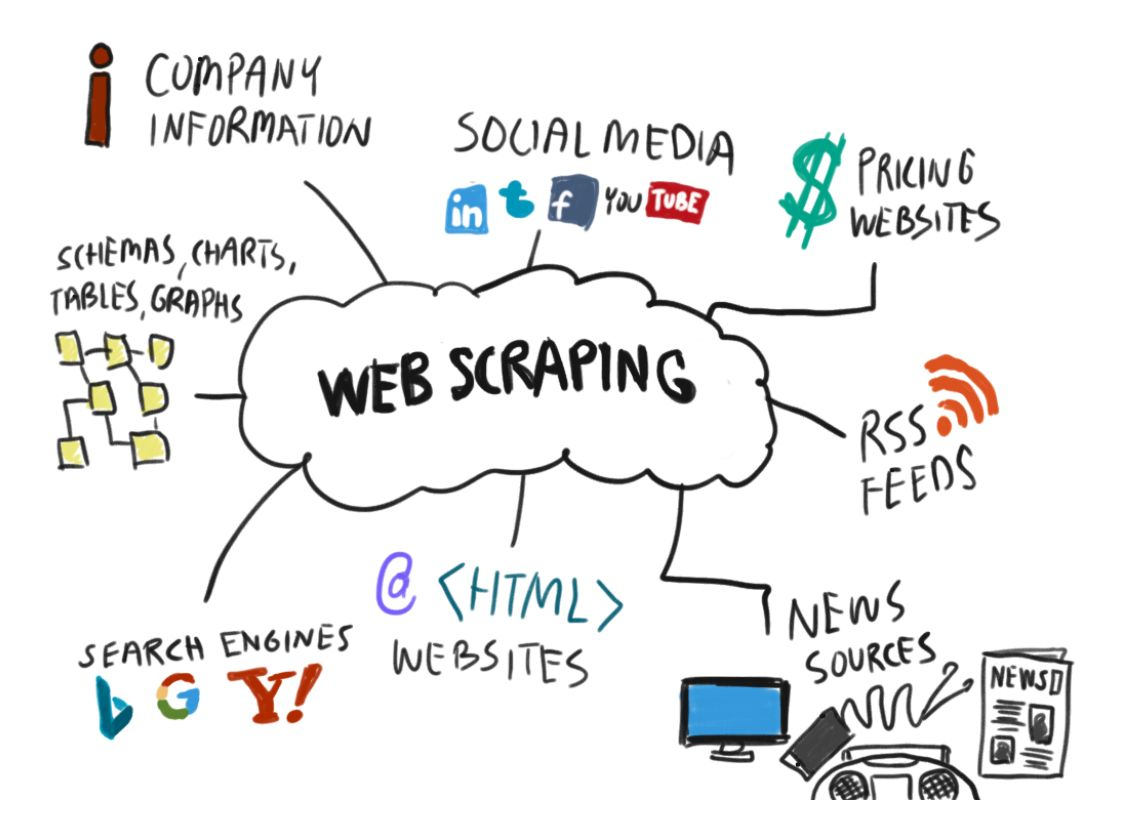
Web scraping involves extracting data from websites by programmatically accessing their HTML content. This technique can be used to collect information from a variety of sources, including e-commerce sites, news articles, and social media platforms. Web scraping tools and libraries, such as Beautiful Soup, Scrapy, and Selenium, automate the process of navigating through web pages and extracting the desired data points.
Advantages of Web Scraping
Flexibility: Web scraping can be applied to virtually any website, allowing you to collect data from sources that do not offer APIs.
Customization: Scrapers can be tailored to extract specific data fields from a wide variety of page layouts and structures.
Access to Hidden Data: Sometimes, data is not available through an API but can be accessed through the website’s public HTML content.
Limitations of Web Scraping
Legal and Ethical Concerns: Not all websites permit scraping, and violating a site’s Terms of Service can lead to legal repercussions.
Maintenance: Websites frequently change their layouts and structures, which can break scraping scripts and require regular updates.
Rate Limiting and IP Blocking: Scraping too aggressively can trigger anti-scraping measures, such as IP bans or CAPTCHAs.
What are APIs?
APIs provide a structured way for applications to communicate with one another. They allow developers to access specific data or functionalities from a service without needing to scrape the entire website. Many platforms offer APIs to provide access to their data, such as social media sites, e-commerce platforms, and financial services.
Advantages of APIs
Ease of use: APIs typically come with well-documented endpoints that make it easy to access data without needing to parse HTML.
Data Reliability: APIs generally provide more reliable and consistent data than web scraping since the data format is controlled by the provider.
Compliance and Security: Using APIs usually aligns with legal and ethical standards, as they are designed for public use, minimizing the risk of violations.
Limitations of APIs
Limited Access: APIs may restrict the amount of data you can access or impose rate limits on how frequently you can make requests.
Dependence on the Provider: If the API provider changes its structure, data format, or access permissions, you may need to adjust your application accordingly.
Data Availability: Not all data is available through APIs; some providers only expose limited data sets.
Choosing the right Method for your needs
When to use Web Scraping
Lack of API Access: If the data you need is only available on a website without an API, scraping is your best option.
Custom Data Extraction: When you require highly specific data from various sources that don’t follow a standardized format, scraping allows for greater customization.
Competitive Analysis: For tasks like price monitoring or gathering product information from multiple e-commerce sites, scraping can provide insights where APIs may not.
When to use APIs
Structured Data Needs: If you need structured and reliable data from a provider that offers an API, this is the most efficient route.
Compliance and Ethics: When data compliance is a priority, using APIs ensures you stay within legal and ethical boundaries.
Simplicity and Speed: If you want to minimize development time and complexity, APIs provide a straightforward way to access data without needing to build complex scraping logic.
Conclusion
Both web scraping and APIs have their unique advantages and challenges. The choice between them largely depends on your specific data needs, the sources available, and your willingness to navigate potential legal and technical hurdles. If you require flexibility and access to unstructured data, web scraping may be the way to go. On the other hand, if you prioritize ease of use and compliance, APIs are likely the better choice. Understanding the strengths and weaknesses of each method will empower you to make an informed decision, ensuring that your data collection efforts align with your goals.